Coping with cancer in a loved one can be a difficult and trying event. Fortunately modern medicine has been able to provide those who are diagnosed with this devastating illness several cancer treatment options. The following article will discuss one of most popular cancer treatments: chemotherapy.
Chemo or Chemotherapy is a viable option for those who at best may be able to cure, or at least control their cancer. Chemotherapy cancer treatment can be a combination of particular treatment methods or just one method alone.
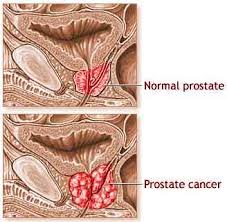
Cancer is essentially radical, out of control cell growth in the body. Cancer cells can show up anywhere, and divide and multiply very rapidly often creating harmful tumors. Chemotherapy drugs work by slowing and undoing radical cell growth in the body. The main goal of chemotherapy treatment is to kill as many radical cancer cells as possible.
Cancer treatment methods via chemotherapy include surgery to physically remove cancer, drugs and pills, and/or x-ray therapy. Drugs may be administered at home if in pill form, but usually chemotherapy drugs are taken intravenously through the veins with an IV. This means the patient will have to receive their chemotherapy treatment from a health care professional like a nurse for instance.
In addition to chemotherapy drugs being very powerful in a good way, this cancer treatment also affects all the cells in your body (not just cancer cells) and a person receiving chemo can experience adverse side effects. Common side effects from chemotherapy are:
-feeling weak and tired
-hair loss
-dry skin with sores
-stomach sickness with vomiting and diarrhea
Fortunately many of the side effects associated with chemotherapy can be prevented and treated easily. Drugs may be prescribed to help ease stomach discomfort and lessen vomiting. Also, special drugs called growth factors may be given to help rebuild bone marrow, the cause for feeling weak or tired.
Often times many people are able to continue their normal lives and even work while taking chemotherapy, while others may need to be hospitalized for all or some of the time they are receiving treatment. Every one reacts differently tochemotherapy cancer treatment. Recovering from cancer treatment can be challenging, but support from loved ones and friends can make a world of difference.